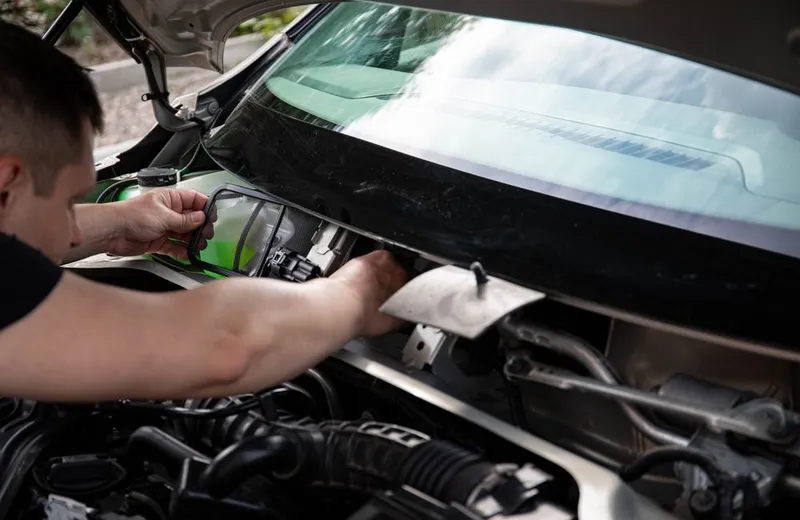
Automotive mechanics
The Barcelona case includes general mechanics, automotive electrics and electronics, and use of diagnostic equipment. These details come from a placement record linked to a completed project.

Erasmus+ placements · Learners and apprentices
Mechanics, electrical engineering, metal fabrication or construction: each specialism requires suitable tasks and equipment. The placement search draws on acquired skills, independence and workplace safety conditions.
View occupations and destinations ↓
Work in the company
Documented examples and possibilities to define with your teaching team: each placement has its own objectives.
The Barcelona case includes general mechanics, automotive electrics and electronics, and use of diagnostic equipment. These details come from a placement record linked to a completed project.
For metal fabrication, electrical engineering or carpentry, specify tools used in training and the operations sought. Machine access and independence are discussed with professionals according to the participant’s profile and supervision.
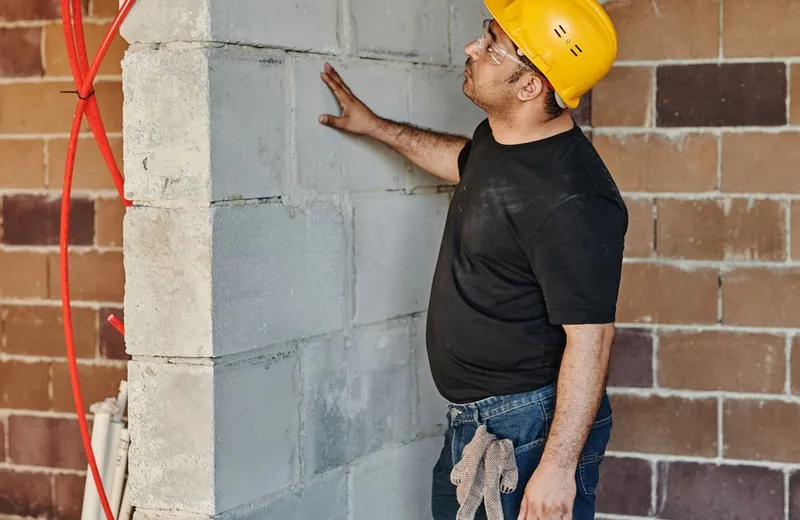
Plumbing, roofing, masonry, painting or plastering: matches differ by specialism. Activities, travel, equipment and safety conditions must be defined before confirming the placement.
Choose a destination
Choose a place or start with your learners’ vocational training. Explore every destination and trade in our catalogue.
Preparing placements
The tasks and expected skills help prepare the search with host companies.
Specify the professional fields and the courses represented in your group.
Prepare your request
Specify tools and equipment already used, independence and intended skills. Machine access and possible activities are defined according to the profile, supervision and safety rules.
How we organise Erasmus+ placements →The search includes an interview to check hosting conditions, compliance with rules and standards, and sector-specific safety. Your institution shares participants’ skills, objectives and constraints to define tasks with the company.
Documents for preparing participant profiles →Clarify the expected interaction with the team or the public, language levels and participant autonomy.
Define the skills to practise and the criteria for assessing progress.
Europass and mobility skillsPrepare to present the experience on return.→Erasmus+ projects, feedback and resources to help you prepare your own.
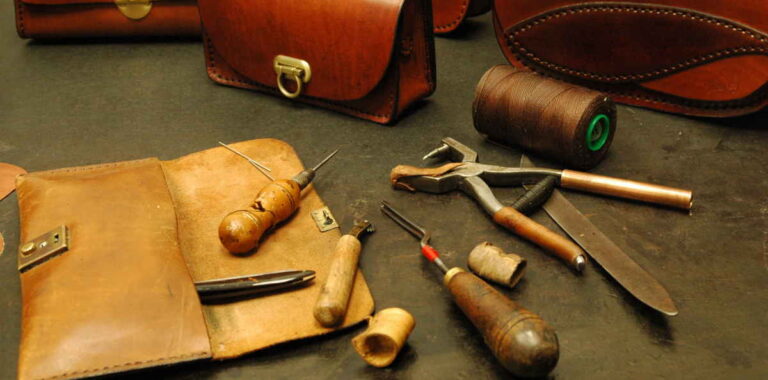
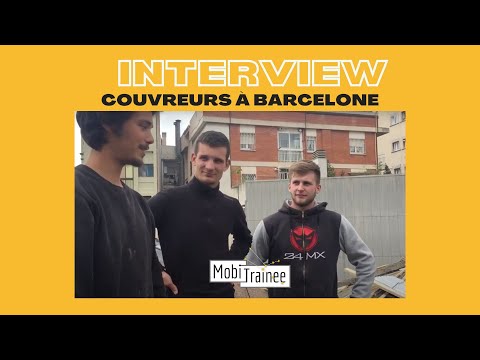
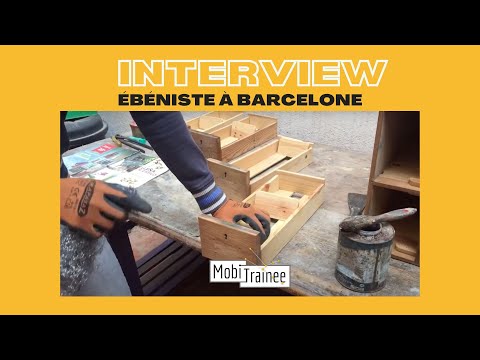
General mechanics, automotive electrics and electronics, and diagnostic tools: activities described in a placement record linked to a completed project.
Monitoring: Depending on the company, plans also include maintenance, oil changes and checks on brakes and tyres. Activities are agreed with the host team.
Read the mobility case study →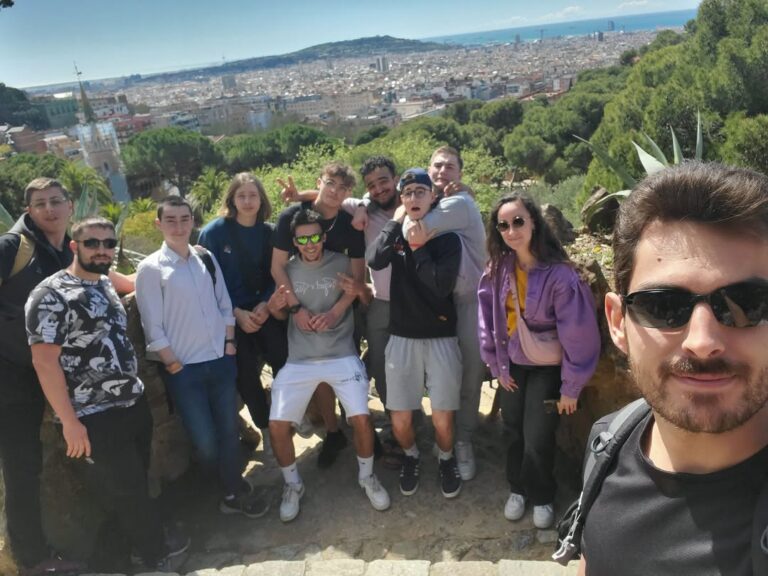
Electrical engineering learners took part in a Barcelona mobility between March and April 2024.
One published learner response describes putting solar training into practice for the first time, an individual experience rather than a task attributed to the whole group.
Free time and weekends allowed the group to explore Barcelona, combining professional learning and the city’s cultural life.
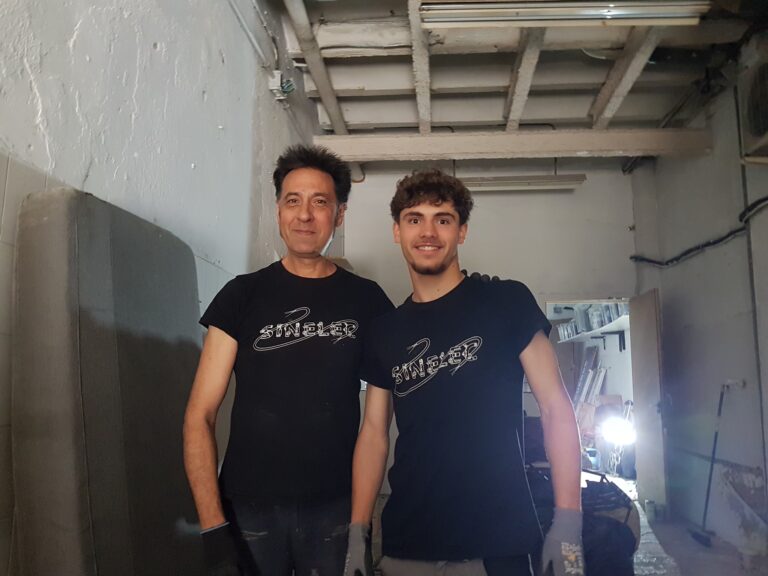
Two MELEC electrical learners completed a three-week placement in Barcelona in spring 2025.
The company was welcoming learners for the third consecutive year. The two participants discovered a Spanish workplace in their field: electrical systems and connected environments.
The stay also included a Champions League match in Barcelona on 9 April, a shared experience alongside their placement days.
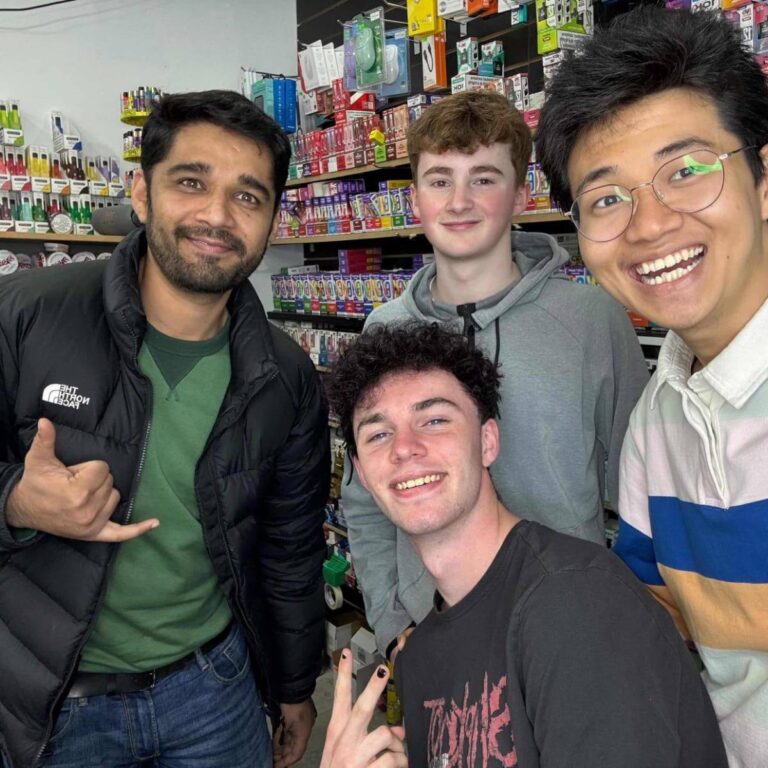
A group spent three weeks in Dublin across two professional areas: clothing retail and electronics repair. The account was published in April 2026.
One participant worked in small clothing shops, gaining experience in sales, customer advice and shop management. Other participants joined electronics repair businesses.
The post describes applying technical knowledge and discovering local working methods. Cultural exploration and exchanges accompanied the placements; no individual assessment scores are reported.
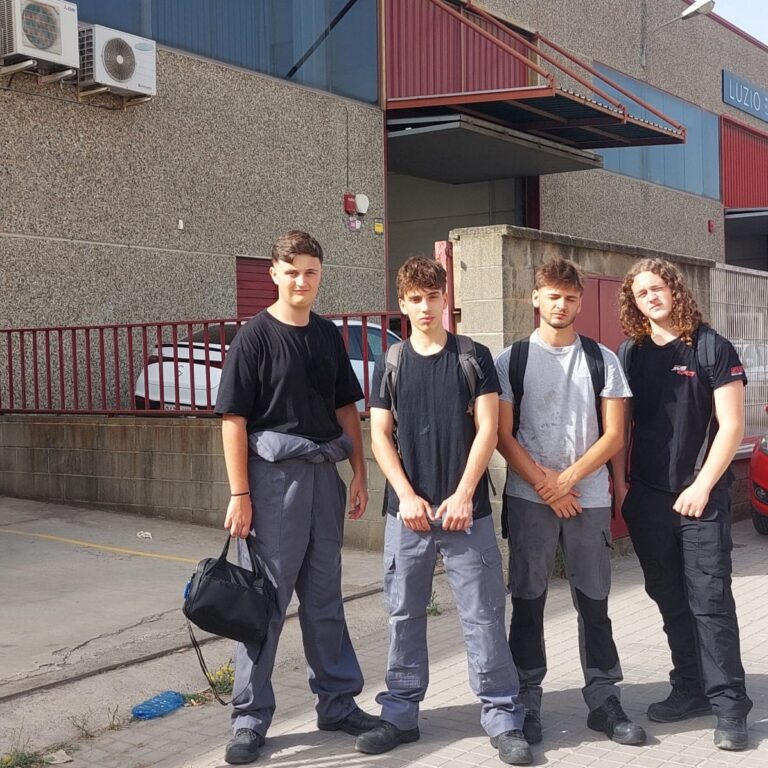
In June 2026, a group studying electricity, industrial maintenance and energy undertook placements in Barcelona, staying in a youth hostel.
Placement plans include preparing and assembling electrical equipment, checking parts and assisting with maintenance. Other hosts work on heating, ventilation or air conditioning. Tasks depend on the specialism and host site.
Planned activities include observing diagnostics, preventive maintenance and maintenance records. Tasks suit the learners’ training level and the tutor’s supervision; independent work on hazardous equipment is not assumed.
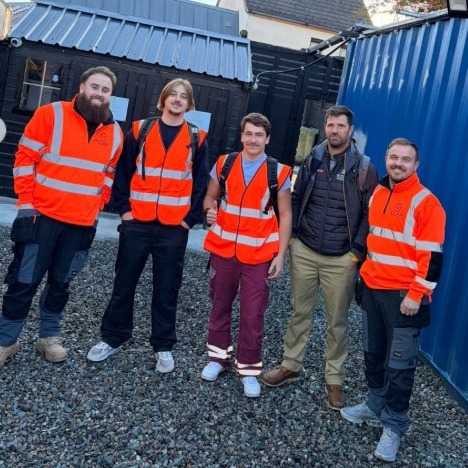
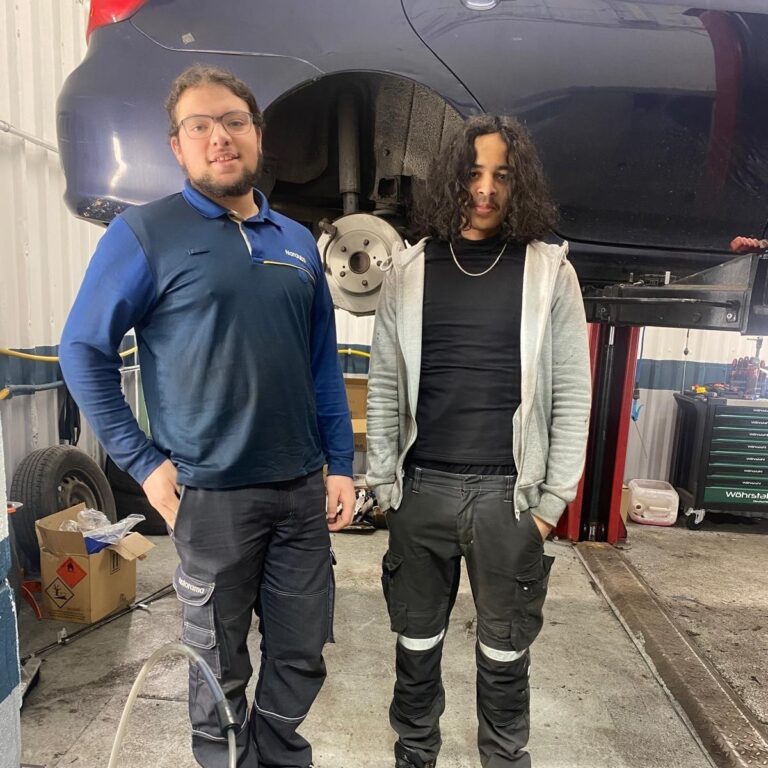
A March 2025 post presents a group hosted in Dublin by garages, a supermarket and a language school, with placements covering several training areas.
Mechanical and bodywork learners joined garages. Others experienced supermarket retail or welcoming international students at a language school.
Reception and customer service offer opportunities to use English. Activities remain specific to each field: garage tasks are not attributed to the whole group.
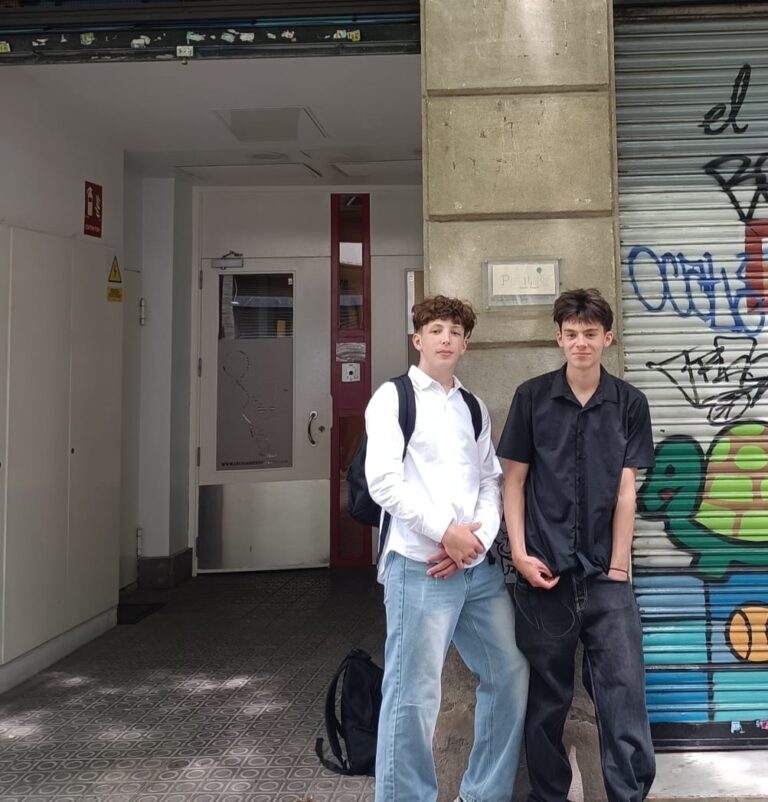
For three weeks, a group completed electrical and administrative placements in Barcelona. The June 2025 post clearly distinguishes the two pathways.
Electrical learners worked on an apartment renovation and preparations for a future restaurant. The account mentions installation, reading plans and site safety.
Administrative placements took place in nurseries and estate agencies, covering administration, communication, customer relations and organisation. These activities relate to that pathway, not the electrical learners.
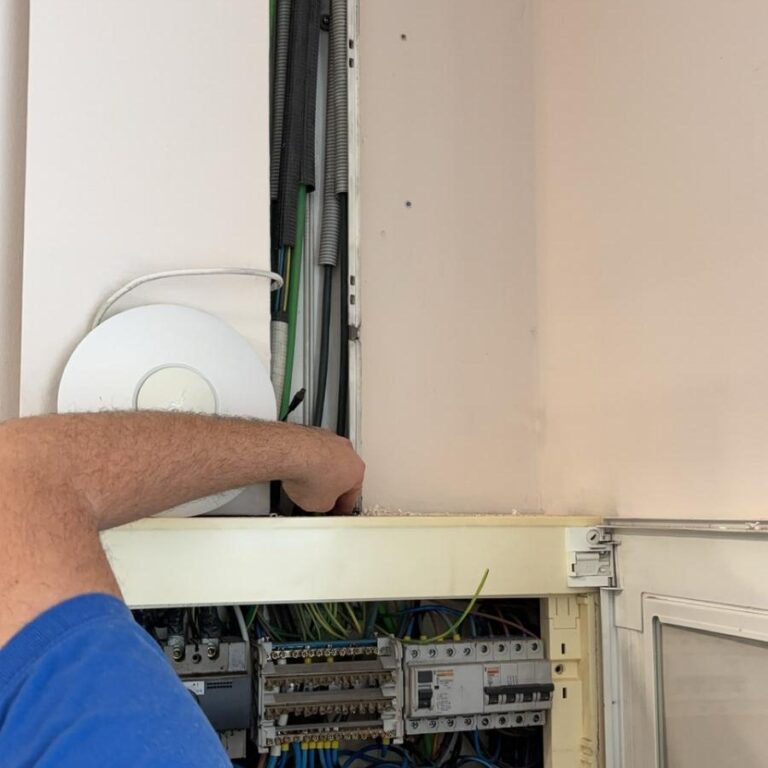
In February and March 2025, Compagnons du Devoir electrical engineering learners spent several weeks on placement in Barcelona.
Local companies offered opportunities to apply technical skills in a new working environment, through renewed host partnerships.
The account also describes the coordination involved: finding hosts, considering language needs, arranging accommodation and cultural activities, and following the mobility.
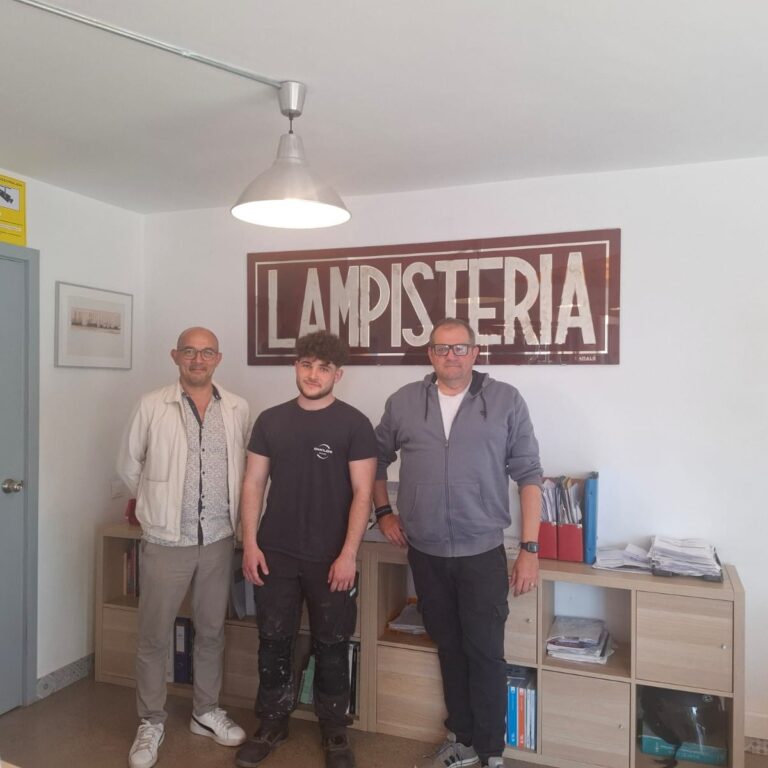
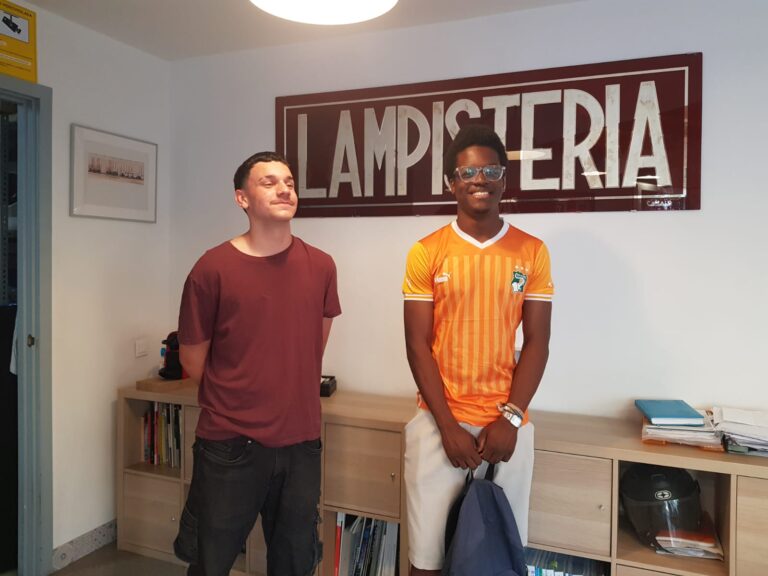
Two students on the MELEC electrical course undertook placements in Barcelona in May 2026, combining workplace experience with a host-family stay.
The placement plan includes preparing materials and assembling equipment. One participant describes air-conditioning and plumbing activities carried out during the placement.
The stay combines company experience with living with a host family. During their mobility, the two learners discovered a working environment and everyday life in Barcelona.
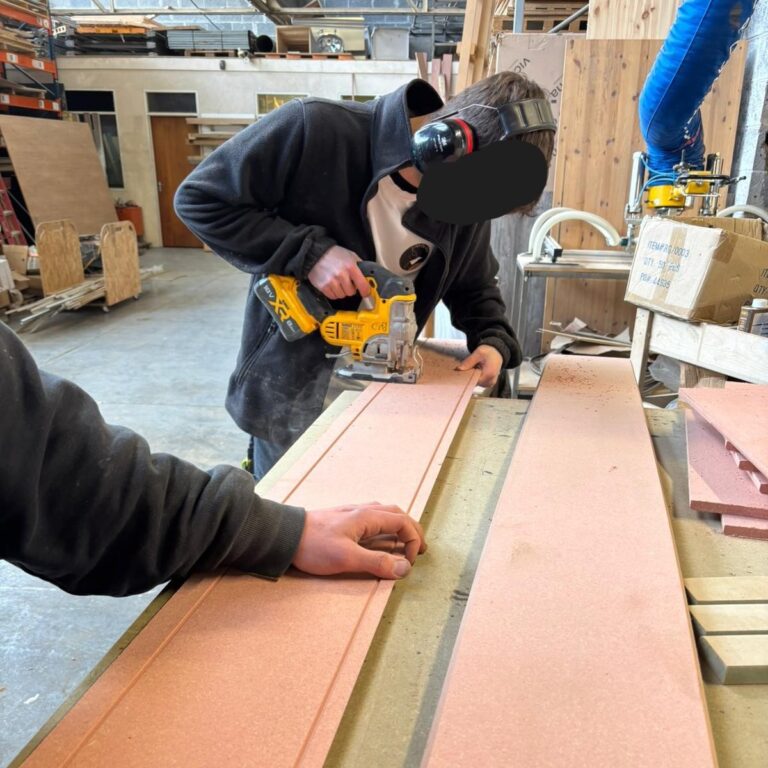
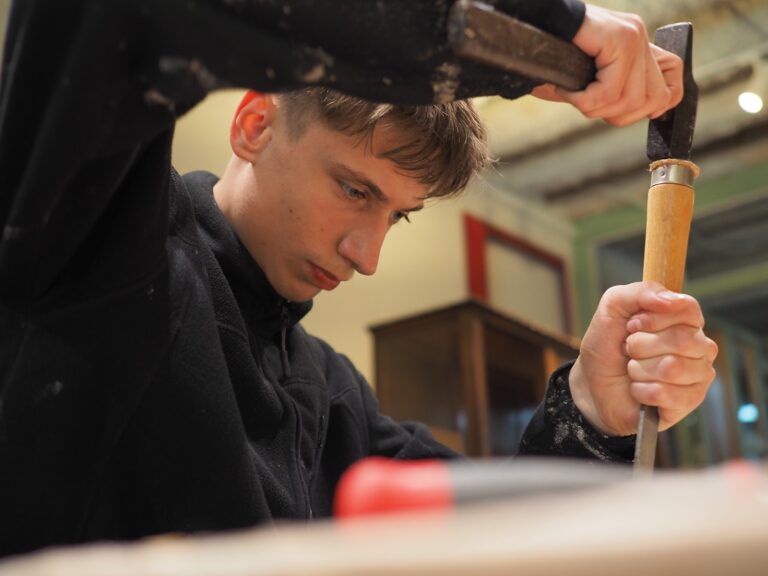
First-year carpentry apprentices from the Compagnons du Devoir spent two weeks in Barcelona, in the third edition of this Erasmus+ mobility.
The post describes professional discovery and practical workshop experience. It highlights encounters with different methods and perspectives on the trade, without specifying the objects produced.
The stay combined professional activities and cultural discovery. This account illustrates early-stage training mobility; tasks for a future group will reflect its level and the workshops’ opportunities.
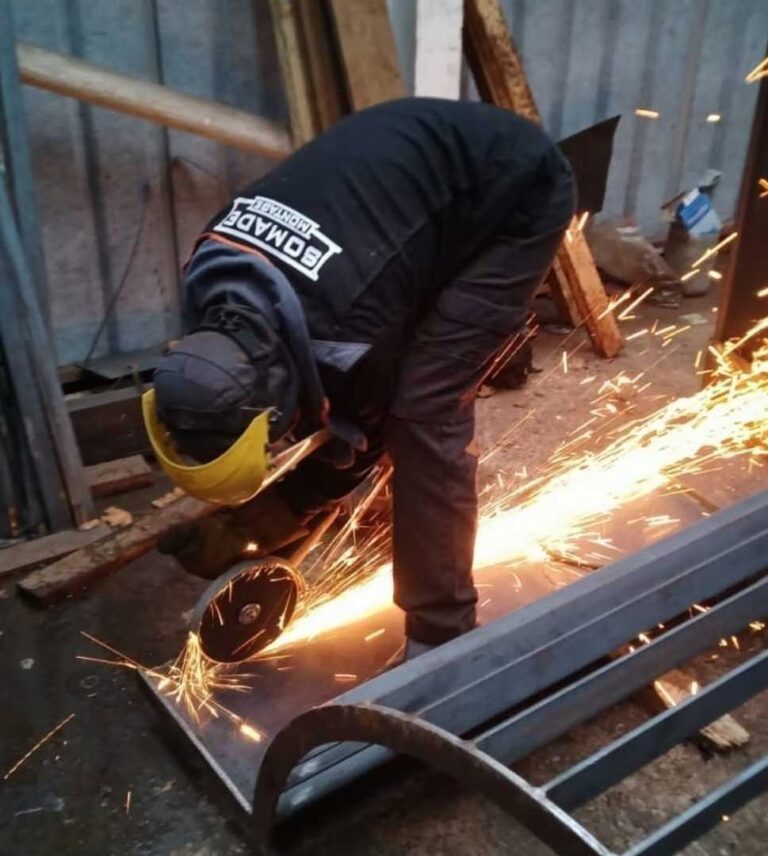
In November 2024, metal fabrication apprentices completed a three-week placement in Dublin.
The report shows apprentices at work and some of their completed work, offering an insight into their professional field in an Irish setting.
The three weeks also provided an opportunity to explore the Irish capital, combining workplace experience and cultural discovery.
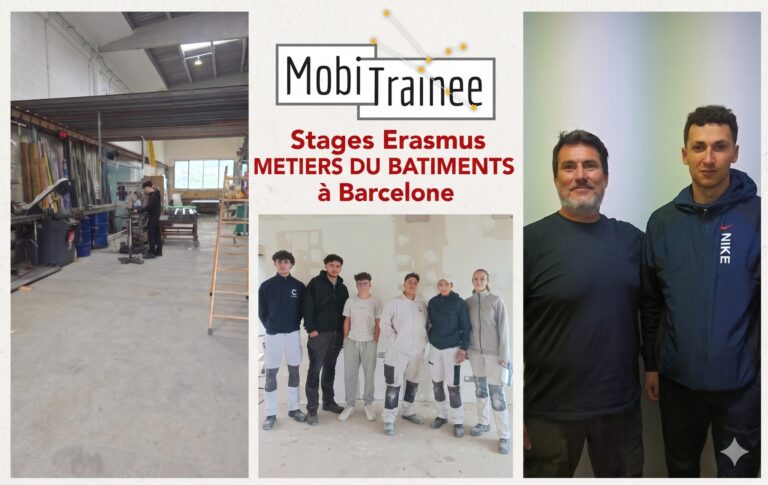
Apprentices spent two weeks on construction sites in Barcelona in a mobility reported in April 2026. Four fields are mentioned: metalwork, painting, plastering and electrical work.
The post describes placements supervised by professionals and exposure to different working methods. It does not specify which work each apprentice completed.
The account highlights adapting to an international working environment. No individual assessment results are added to the skills described in the publication.
No content matches this selection.
Building your mobility project
Support agreed with your institution, based on the training, your group and the services you need.
We look for companies according to the courses, participant profiles and skills to develop. Tasks are agreed with your institution and the host companies.
Accommodation, travel, activities and language courses: we coordinate the services selected for your group.
A consultant coordinates your project, from preparation to the final review. Guides, schedules and assessment results are available on the online platform. Our team remains available seven days a week during your stay.
Course, dates, group size and possible destinations: your consultant explores the options with you.
Request a quoteHave a question? Contact usStill refining your project? Share what you already know and we will develop it together.